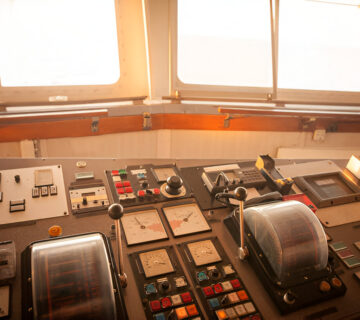
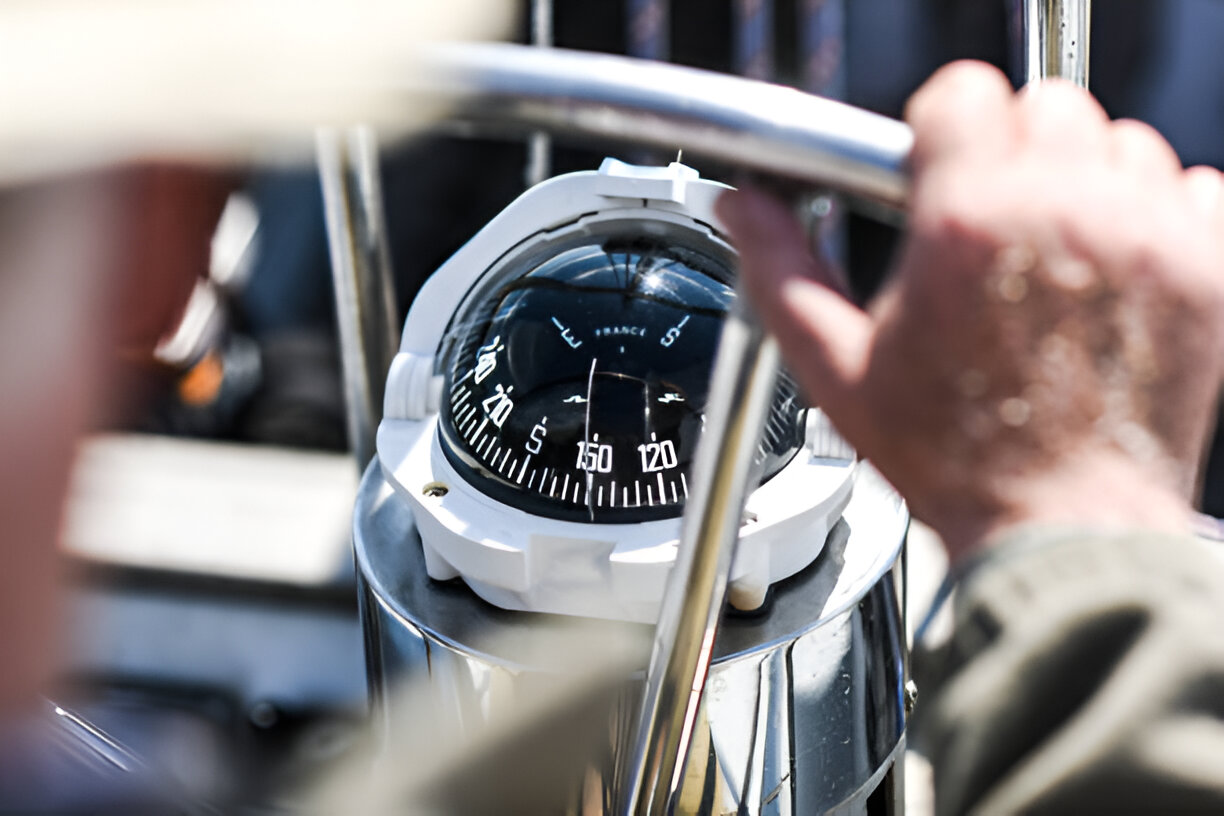
For high-speed and lightweight vessels, reliable navigational instruments are critical to ensure safety, performance, and accurate positioning during operations. The combination of navigational radars, gyrocompasses, AIS transponders, GPS receivers, and depth sounders provides essential functionality for such boats, enabling smooth navigation in various environmental conditions.
1. Navigational Radars
Navigational radars are crucial for providing real-time information about obstacles, other vessels, and environmental conditions such as weather patterns. For high-speed boats, these radars are designed to deliver quick response times, ensuring immediate detection of any potential hazards. Modern radar systems have advanced features such as target tracking and collision avoidance, which are vital for maintaining safe distances from other boats or structures. These radars help in ensuring safe navigation, even in poor visibility conditions like fog or heavy rain.
2. Gyrocompasses
Gyrocompasses are vital for high-speed vessels, as they help maintain a true north reference, unlike magnetic compasses, which can be affected by the vessel’s metal structure or magnetic fields. They provide a stable heading, ensuring the boat remains on its course, even in high-speed maneuvers. The gyrocompass is a key tool for maintaining accuracy and avoiding navigational errors, especially for boats operating in open waters or at high speeds.
3. AIS Transponders (Automatic Identification System)
AIS transponders are essential for identifying and tracking nearby vessels, improving situational awareness, and preventing collisions. This system transmits the vessel’s position, course, and speed to other nearby boats equipped with AIS, allowing operators to monitor traffic and avoid congestion. For high-speed boats, AIS offers a way to maintain visibility to other vessels, enhancing safety in busy waterways. AIS is also useful for identifying potential threats and ensuring compliance with international maritime regulations.
4. GPS Receivers
GPS receivers are indispensable for navigation in modern boats, providing accurate and real-time positioning information. High-speed boats, which often travel long distances over open water, rely heavily on GPS for route planning and continuous tracking. With a GPS receiver, boat operators can pinpoint their exact location, chart courses, and calculate the shortest and safest routes. GPS is integral to ensuring that the boat can quickly and efficiently adjust to changing conditions, such as wind or water currents, and remain on course.
5. Depth Sounders
Depth sounders are essential for determining the depth of water beneath the vessel, which is especially important for high-speed boats operating in shallow or unfamiliar waters. These instruments send sonar waves to the seabed and measure the time it takes for the waves to return. The depth sounder provides accurate readings of water depth, ensuring that the vessel avoids running aground and operates in safe waters. For high-speed boats, a depth sounder with real-time updates is crucial, as sudden changes in depth can be hazardous at high velocities.
Conclusion
The integration of navigational radars, gyrocompasses, AIS transponders, GPS receivers, and depth sounders is vital for ensuring the safety, accuracy, and efficiency of high-speed and lightweight boats. These instruments allow boat operators to navigate confidently, even in challenging conditions, by providing vital information about the surrounding environment, vessel position, and potential obstacles. With these technologies, high-speed boats can achieve optimal performance while maintaining the highest standards of safety.