Efficient electrical control is vital for the smooth operation of boats and ships. Various components such as electrical control panels, power supply modules, relay boards, cable harnesses, and circuit breakers work together to manage and distribute electrical power across a vessel. These systems ensure safe, reliable, and efficient operations, from navigation to onboard equipment and propulsion systems.
1. Electrical Control Panels
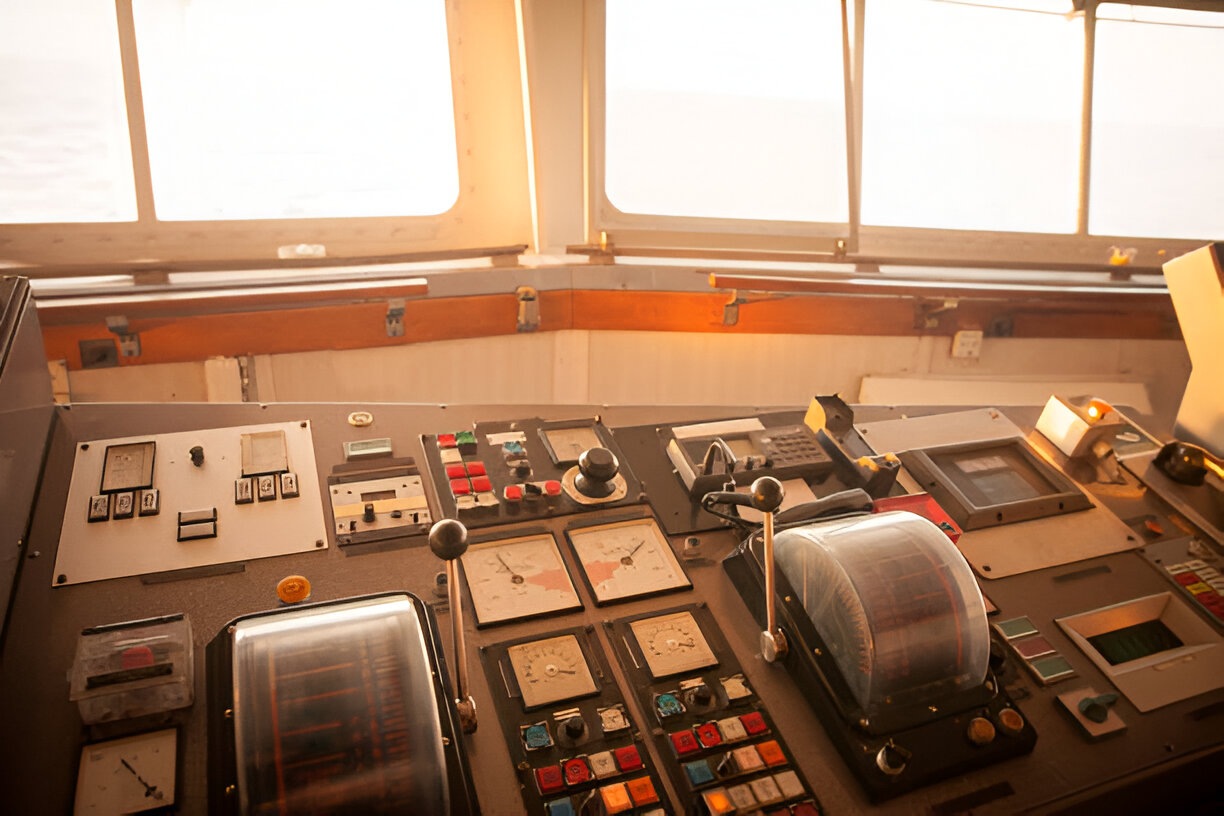
Electrical control panels are the central hubs that house controls, displays, and protection systems for a vessel’s electrical distribution system. These panels are designed to manage all electrical components of a boat or ship, providing operators with an easy interface to monitor and control different circuits. They often include visual indicators such as lights and meters, allowing operators to track voltage levels, current flow, and fault conditions. In marine applications, these panels are built to withstand the harsh maritime environment, with features such as corrosion resistance and waterproofing, ensuring optimal performance in any weather condition.
2. Power Supply Modules
Power supply modules are essential for converting and regulating electrical power on boats and ships. These modules ensure that electrical systems receive stable power, even when the voltage or current fluctuates due to varying load conditions. Power supply modules play a critical role in preventing electrical malfunctions, such as voltage surges or drops, by providing a constant, regulated supply of electricity. For vessels, power supply modules are typically designed to work efficiently with a wide range of electrical equipment, including communication systems, navigation instruments, and propulsion systems, ensuring that power distribution remains stable across the vessel.
3. Relay Boards
Relay boards are integral to the automation and control of electrical systems in boats and ships. These boards contain multiple relays, which act as switches that control high-power circuits by receiving low-power input signals. When a relay is activated, it allows or cuts off the power to other systems onboard the vessel, such as lighting, engine controls, and bilge pumps. Relay boards enhance safety by ensuring that only necessary circuits are powered, reducing the risk of electrical overloads and fires. They are typically installed in central locations, like the control panel or engine room, to allow for easy access and maintenance.
4. Cable Harnesses
Cable harnesses are used to bundle and organize the various electrical cables running throughout the boat or ship. These harnesses help in preventing tangling, wear, and potential damage, ensuring that electrical systems remain functioning properly. Cable harnesses also enhance the overall safety of the vessel by reducing the risk of short circuits caused by exposed or improperly routed wires. These harnesses are carefully designed to withstand the rigors of marine environments, offering protection against harsh conditions like extreme temperatures, saltwater corrosion, and mechanical stresses. Properly installed cable harnesses also make it easier to diagnose and repair electrical faults by ensuring a clear, organized path for each wire.
5. Circuit Breakers
Circuit breakers are vital safety devices in any electrical system. They automatically interrupt the electrical flow in the event of a fault, such as a short circuit or overload, preventing damage to equipment and reducing the risk of fires or electrical hazards. In boats and ships, circuit breakers are installed in critical areas of the electrical system, such as the engine room, electrical control panels, and power distribution boards. These devices provide essential protection for both the vessel and its crew by ensuring that the electrical system can be quickly reset after a fault, without requiring manual intervention.
Conclusion
The proper functioning of electrical control systems is crucial for the safe and reliable operation of boats and ships. By integrating components such as electrical control panels, power supply modules, relay boards, cable harnesses, and circuit breakers, vessels can efficiently manage their electrical systems, ensuring optimal performance while preventing malfunctions. These components work in harmony to deliver stable power, safeguard against electrical hazards, and provide operators with the tools needed for effective system management. With reliable electrical systems, boat and ship operators can focus on what matters most: ensuring a safe journey at sea.